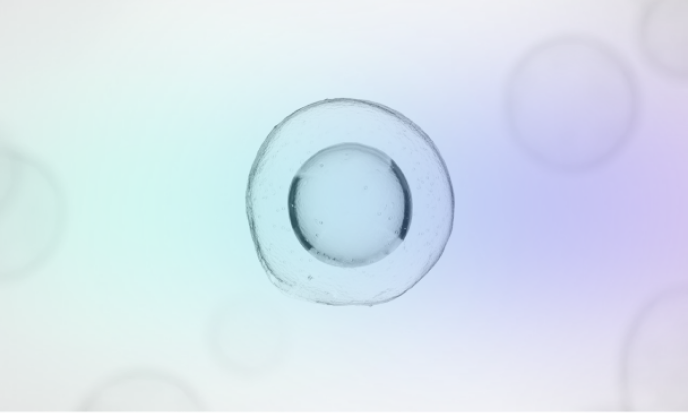
Egg Quality and Fertility

Svetlana Mortensen
MD, Functional & Integrative Medicine • 10 min read
What Makes an Egg High-Quality?
- It's chromosomally normal — meaning it contains 23 chromosomes and, once fertilized by sperm, can develop into a healthy embryo with a full set of 46.
- It has a strong potential to implant successfully in the uterus and support a full-term pregnancy.
Why Do Eggs Age?
As a woman ages, so do her eggs — typically starting around age 25–30. The rate and extent of this process vary based on:
- Environmental factors
- Chronic conditions
- Genetics
- Detox capacity
- Inflammation levels
- Antioxidant defenses and more
Over time:
- The DNA repair mechanisms that help maintain egg viability begin to decline.
- The likelihood of ovarian inflammation or scarring increases, which can negatively affect egg quality.
What Contributes to Egg Aging and Decline in Quality?
Mitochondrial Dysfunction
Mitochondria are the energy engines of cells, and eggs are no exception. Mitochondrial health is crucial for egg maturation and fertilization potential.
Research Insight
“Mitochondrial biogenesis influences the size of the follicular pool. It also determines the quality and competence of oocytes. Transferring healthy mitochondria into eggs helps prevent apoptosis. The mitochondria in surrounding granulosa cells also play a key role by supplying energy substrates to the egg.”
— Colella et al. (2021)
Oxidative Stress & Epigenetic Changes
As eggs age, they produce less ATP, contain fewer mitochondria, and often have mitochondrial damage. This can lead to chromosomal abnormalities which increase the risk of miscarriage, embryo loss, or birth defects.
During the 7-day journey from ovary to uterus, the egg is disconnected from maternal blood supply and has to sustain itself. If it lacks energy or resilience, it may fail to mature properly or implant.
Poor egg quality can also impact the long-term health of future children — this is where true prenatal care begins.
What Affects Egg Quality?
Lifestyle factors like sleep, diet, movement, and stress levels can significantly influence egg development — for better or worse.
Because eggs take 2–4 months to mature, any positive changes should ideally begin at least 3–4 months before trying to conceive. But the more time you give your body, the more it can do.
For best results, working on egg quality and fertility 6–12 months in advance is recommended, depending on a woman's individual situation, health conditions, and partner's lifestyle too.
There is no direct test for egg quality — only embryo genetic testing can offer insight. AMH shows egg quantity, not quality!
Lifestyle Habits That Can Lower Egg Quality
Alcohol and Caffeine
Both have been linked to decreased fertility and poor egg health.
Research Insight
One study showed that consuming more than 300 mg of caffeine per day was associated with a higher risk of miscarriage. (For reference, a cup of coffee may contain anywhere from 0 to 500 mg of caffeine.)
— Lyngso et al. (2017)
Limiting or avoiding these substances a few months before conception can help support overall egg quality.
Chronic Stress
High cortisol levels can completely block egg maturation and even stop ovulation altogether.
There are many ways to reduce stress — meditation, yoga, swimming, guided visualizations, creative activities, prayer, breathwork, or just spending quiet time in nature.
Nutrition
There's no one-size-fits-all approach. Nutritional needs depend on your health history, lab results, and goals. Food tracking, elimination diets, anti-inflammatory plans, and food sensitivity testing can all be useful tools.
One helpful daily question: “Is what I'm eating supporting my body's biochemistry?”
Focus on:
The Mediterranean diet remains one of the most effective for supporting fertility — balanced, nutrient-dense, and easy to follow when done right.
Poor diet doesn't just affect egg quality — it can also reduce the number of eggs that mature each month, a process known as follicular atresia. That can delay or even reduce your chances of getting pregnant.
Movement
Even gentle exercise improves blood flow, helping deliver oxygen and nutrients to the ovaries. Oxygen-rich blood = healthier ovarian function.
Certain yoga poses are great for improving pelvic circulation, such as child's pose, lotus, and reclined hero.
Hydration
Proper hydration improves circulation — and healthy blood flow is vital for egg development.
Even mild dehydration can reduce your body's ability to support reproductive health.
Sleep & Melatonin: The Unsung Heroes
Getting enough restful sleep (7–8 hours per night) — in alignment with your natural circadian rhythm — is critical for hormone balance and egg health.
Sleep Tips
- Sleep in total darkness
- Keep screens and devices away from your bed
- Turn off phones, TVs, and computers at least 1–2 hours before sleep
- Maintain consistent sleep/wake times
- If you need a nightlight, use red, yellow, or orange tones — not white or blue (which suppress melatonin)
- Get natural morning sunlight on your skin and eyes (without sunglasses) to regulate melatonin production
The Role of Melatonin in Egg Health
Melatonin isn't just for sleep — it's also a powerful antioxidant and hormone regulator.
- Eggs develop inside follicles filled with follicular fluid — and this fluid contains melatonin in higher concentrations than blood. It helps protect the egg from oxidative damage.
- Ovarian cells have melatonin receptors, which may enhance progesterone sensitivity — supporting implantation.
- Melatonin influences hormone release, regulates menstrual cycles, and promotes ovulation.
- It crosses the placenta and enters amniotic fluid, helping shape the baby's circadian rhythm and activating crucial developmental genes.
Egg quality directly influences the health of future children, even before conception. Melatonin has been shown to improve egg quality in many women, including those with idiopathic (unexplained) infertility. It may also help delay premature ovarian aging and support longer reproductive longevity.
What the Research Says
In a small pilot study, women with unexplained infertility took 3 mg or 6 mg of melatonin nightly. Compared to those not taking melatonin, they had:
— Espino et al. (2019)
Over the past few decades, dozens of studies have confirmed melatonin's role in reproductive health. Today, doses of 3–6 mg per day are considered safe and effective. For best results, a sustained-release formula is ideal — it mimics natural patterns and supports overnight antioxidant protection.
References
- Colella, M. et al. (2021). Ovarian Aging: Role of Pituitary-Ovarian Axis Hormones and ncRNAs in Regulating Ovarian Mitochondrial Activity. Frontiers In Endocrinology, 12. doi:10.3389/fendo.2021.791071
- Espino, J. et al. (2019). Impact of Melatonin Supplementation in Women with Unexplained Infertility Undergoing Fertility Treatment. Antioxidants, 8(9), 338. doi:10.3390/antiox8090338
- Lyngso, J. et al. (2017). Association between coffee or caffeine consumption and fecundity and fertility: a systematic review and dose–response meta-analysis. Clinical Epidemiology, 9, 699–719. doi:10.2147/CLEP.S146496
Continue Reading
View Archive
MTHFR Polymorphisms and Fertility
MTHFR variants are found in 60–80% of the population. Here's what they mean for fertility, pregnancy loss, sperm quality, endometrial development — and what to actually do about it.

5 Signs of Hidden Heart Disease
Nearly 80% of cardiovascular disease can be prevented. Here are five overlooked signs your body may already be sending — from baldness and gray hair to gum disease and calf pain.

Do You Love Progesterone as Much as I Do?
A deep dive into the remarkable—and often misunderstood—benefits of natural progesterone: from cancer protection and cardiovascular health to inflammation, mood, and the full steroid hormone cascade.